Antimicrobial resistance (AMR) is a growing global health threat, and our sewers may hold vital clues to tackling it. One major challenge is accurately identifying which bacteria carry specific antibiotic resistance genes, a crucial step for understanding the real risk of resistance spreading from environmental microbes to human pathogens.
A new study supported by the EPSRC Digital Health Hub for Antimicrobial Resistance, led by Professor Davey Jones and Dr Reshma Silvester at Bangor University has shed light on the hidden bacterial carriers of antimicrobial resistance (AMR) genes in wastewater.
Published in Science of The Total Environment, the research is the first of its kind in Wales to map antibiotic resistance at a genome-level scale across hospital and community wastewater.
Using wastewater-based epidemiology and cutting-edge DNA analysis called “genome-resolved metagenomics”, the team reconstructed nearly 4,000 bacterial genomes from hospital and municipal wastewater in Wales. The reconstructed genomes revealed a diverse and dynamic bacterial community of antibiotic-resistant gene carriers, shaped by source and wastewater treatment processes. The team also uncovered hidden “microbial dark matter”- unculturable bacteria carrying many clinically relevant antibiotic resistance genes that traditional methods would have missed.
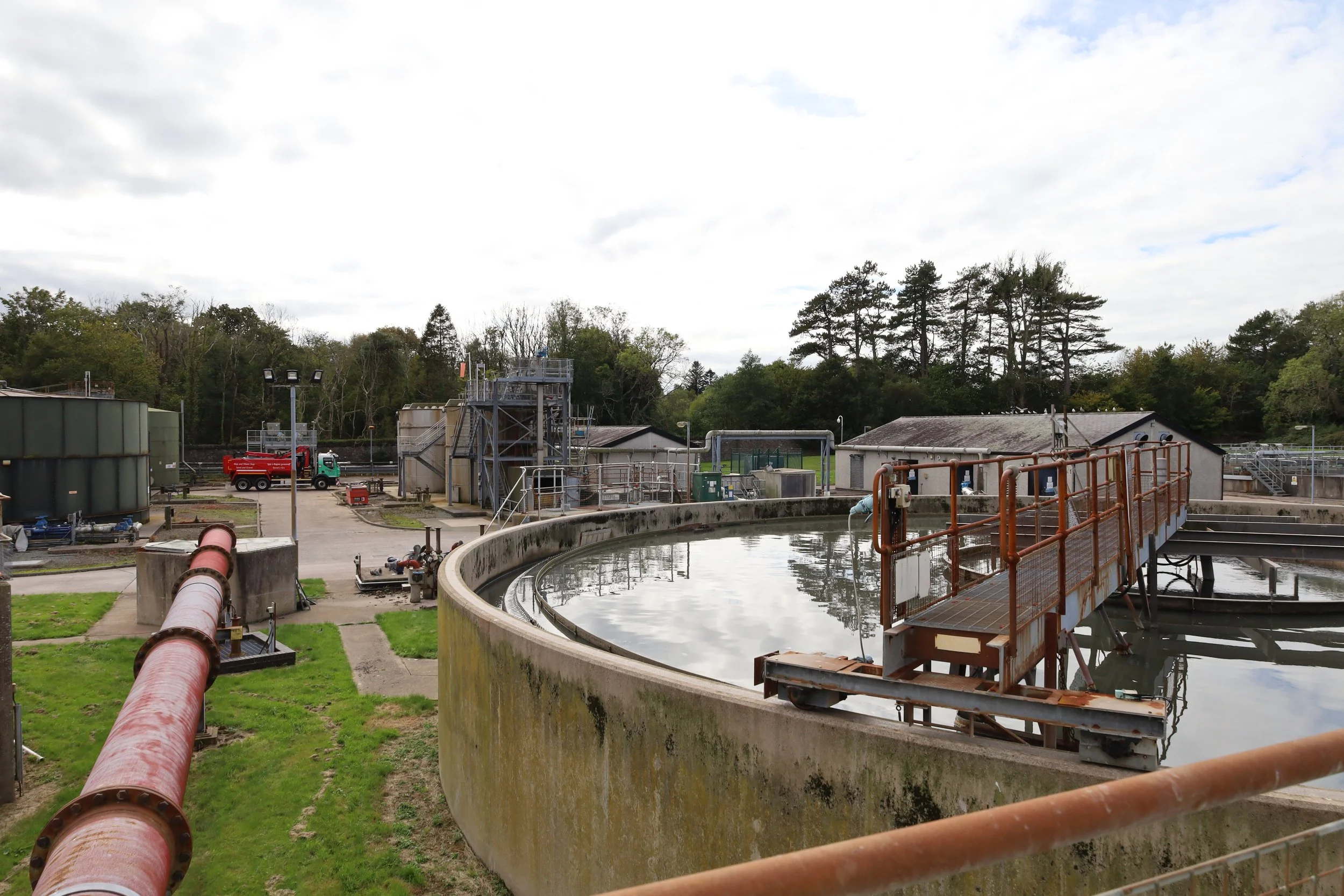
The study revealed how the composition of AMR gene carriers shifts through different stages of wastewater treatment, suggesting that treatment processes can both reduce and selectively enrich resistant microbes. While some AMR gene-carrying bacteria were removed, others persisted in treated effluent, potentially entering natural waterways - a risk likely to increase under climate-driven combined sewer overflow events.
Dr Reshma Silvester said: “Wastewater is a powerful mirror of community and hospital health. Wastewater genomics is fast becoming a key tool for national monitoring frameworks and early warning of emerging AMR threats. It allows us to uncover which bacteria are carrying resistance genes, which helps us understand how resistance moves through our environment and ultimately into human and animal populations. This kind of genomic insight is critical for designing smarter surveillance systems and mitigation strategies.”
Future work will explore combining short- and long-read DNA sequencing for more complete genome recovery, standardising methods across sites, and integrating wastewater genomics into national AMR monitoring frameworks.
Read the full publication here: https://www.sciencedirect.com/science/article/pii/S0048969725022478